•
Blog
Last Mile as the First Impression
Last-mile delivery is the first tangible brand impression customers have and directly impacts their level of satisfaction.
Last-mile delivery is the first tangible brand impression customers have and directly impacts their level of satisfaction.
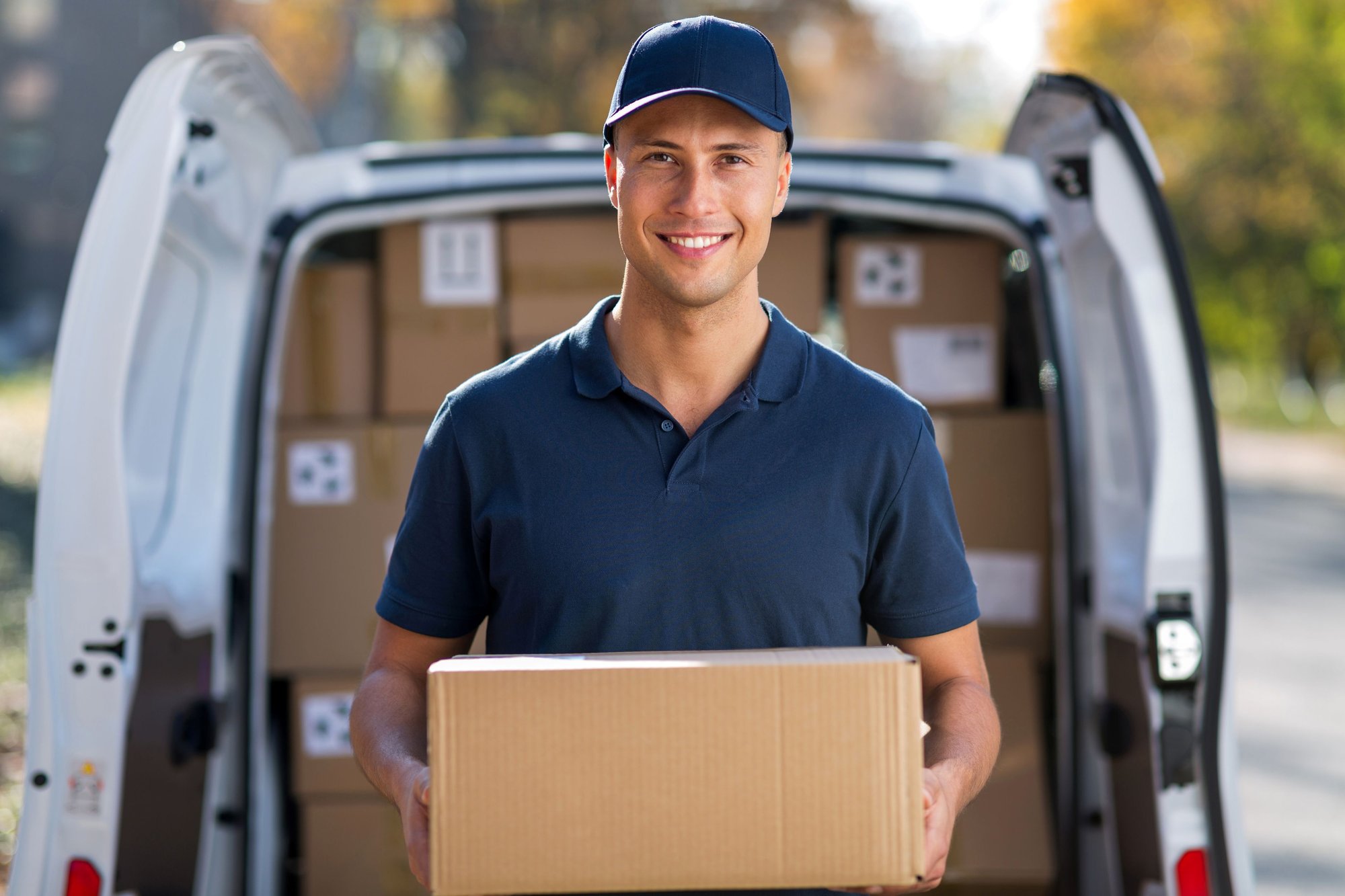
What happens after your customers have clicked buy and checked out? Are they receiving their orders on time and in good condition? In the hyper-competitive world of online retail, meeting customer expectations at every stage of the buying journey is essential.
Last-mile delivery is the first tangible impression customers have of your brand and the most lasting one. Ensuring exceptional last-mile delivery quality is as critical to establishing a positive brand perception and customer experience as the efforts that go into making a sale. But too often it is underutilized as a competitive advantage and lever for growth.
One key challenge with the final stage of delivery is its unpredictability. Goods are picked up from local distribution centres and loaded onto trucks for delivery to businesses and private homes within a narrow window of time that is typically one to two hours. Anything that disrupts this, from traffic, weather and vehicle breakdowns to customer availability, errors, or damaged packages, can contribute to a poor customer experience.
With global e-commerce on track to account for nearly one quarter of total retail sales in the next year, it’s up to brands to make last-mile delivery a core component of their overall retail strategy, ensuring a seamless, high-quality online shopping experience from start to finish.
The final mile in direct-to-consumer fulfillment is an important touchpoint in the online buying journey. It’s also one of the most expensive, in terms of cost and public perception. Fuel, vehicle and labour costs, along with failed deliveries, can account for up to 53 per cent of total supply chain costs.
Up to 20 per cent of all first-attempt last-mile deliveries fail, and each failed attempt costs between $17 and $18. This does not include the more far-reaching damage to brand reputation and loyalty.
Getting last-mile delivery quality right is key to delivering a positive overall customer experience, one that will create a favorable brand perception and lead to repeat purchases.
This is critical in the highly competitive online retail market. Forbes reports that global e-commerce retail sales were $5.8 trillion in 2023 and are projected to reach $8 trillion in 2027 – a 39 per cent increase. As the rapid growth of e-commerce and home deliveries gain momentum worldwide, last-mile delivery is poised to become a defining differentiator for brands that make it a priority.
Recent global studies examined the impact last-mile delivery experiences have on how e-commerce shoppers feel about brands, their preferences, and how it impacts where they shop. The findings reveal that consumers increasingly factor in the delivery experience as part of their evaluation of the products they buy and the overall buying experience.
The consequences are clear: 62 per cent of shoppers hold the retailer either fully or jointly responsible when a delivery fails; 98 per cent of consumers report that delivery influences brand loyalty; and 84 per cent say they will not reorder after an unsatisfactory delivery experience.
An evolution is taking hold in last-mile delivery. As online shopping continues to grow, consumer expectations are shifting. In 2022, speed was a top priority for both shoppers and retailers. In 2026, McKinsey research revealed that 60 per cent of online shoppers rank dependability and reliability over the fastest possible delivery. Packages that arrive when they are expected outperform packages that arrive early – and unexpectedly – in customer satisfaction surveys.
Today’s online shoppers directly connect delivery accuracy, timeliness and transparency to the level of satisfaction with their purchase and trust they have in a retailer. They want their purchases to arrive when expected and in good condition. They don’t want to have to deal with missed, lost, or delayed deliveries, or receive packages by mistake. When deliveries fail at any of these levels, most consumers will take their business elsewhere.
This evolution in customer expectations reflects a key aspect of the last mile of the delivery journey: it is the most direct connection customers have with a brand and the most lasting one.
Changing consumer expectations are redefining what a good delivery service looks like, raising the bar for retailers.
The growth of e-commerce has turned the customer experience into an opportunity to win a competitive advantage. To increase customer satisfaction – a key driver of brand perception – retailers must prioritize a good delivery service as part of the online shopping experience.
A problematic delivery will eclipse an otherwise seamless and productive buying journey, eroding trust and damaging brand reputation, even if the delivery provider is an independent third-party. A bad experience paints all parties in the same negative light.
For retailers who want to build long-term relationships with their customers, it is critical to work with logistics partners that are professional, accountable, and able to provide consistent, high-quality service aligned with the brand’s customer experience expectations. Prioritizing immediate cost savings over customer experience when selecting last-mile service providers puts brand reputation – and future sales – at risk.
E-commerce consumers are accustomed to shopping on their own timeline, seven days a week, and are now demanding the same level of convenience when it comes to scheduling deliveries.
Research shows retailers that offer this convenience see improved customer satisfaction and loyalty. For example, according to the State of Speed report by OnTrac, more than half of retailers that provide seven-day shipping saw improvements in Net Promoter Score, customer lifetime value, and a decrease in abandonment rates. Postmedia Parcel Services has a national logistics infrastructure and proven track record of supporting retailers in achieving last-mile delivery success. Our checklist is a critical guide to pre-delivery planning and ongoing improvement.
Once shipping is scheduled, most shoppers (62 per cent) want their purchases to show up when they are expected to arrive. While they still value speed, today’s online shoppers place greater importance on accuracy and reliability, so much so that they may be willing to wait longer if this provides more certainty that their order will arrive on time.
Another key expectation is visibility. Consumers want to be able to track their packages when they are enroute. In fact, 91 per cent of consumers actively track packages and nearly half expect real-time tracking, which includes notifications about delivery changes and delays. They expect a minimum of four notifications for each of their orders: when an order is fulfilled, shipped, in transit, and delivered.
Increasingly, online shoppers place a high value on sustainable delivery options, with more than three-quarters (76 per cent) willing to pay more for environmentally responsible shipping. A study on holiday shopping finds that 51 per cent of consumers report they choose slower delivery methods to reduce their carbon footprint.
Leading retailers focus on building or partnering with high-performing logistics networks. Ninety per cent of top brands and 78 per cent of logistics providers are investing in innovative tools and strategies to optimize operations and routes, eliminate failed deliveries, and ensure they meet customer expectations.
These tools include:
Online shopping continues to grow at an accelerating rate, reshaping retail and customer expectations. For brands, this has enforced the need for ongoing optimization to elevate the shopping experience. Brands and customers alike have equated a good shopping experience with the ability to easily navigate sites, find what they are looking for and make a purchase. But one of the most critical aspects of ensuring a seamless and positive customer experience happens is providing a good delivery service.
As consumers increasingly opt for online shopping, their expectations around delivery focus on reliability, accuracy and timeliness. They want their purchases to show up when expected, and they want to be able to track the progress of the delivery.
Last-mile delivery is often the first direct impression customers have of a brand, and it is one that will influence whether they will return. Today's online shoppers view the quality of the delivery service as part of the value of the purchase. Any errors, delays or failed deliveries can diminish the benefits of online shopping and reflect poorly on the retailer leading customers to shop with competing brands.
Turning last-mile delivery from a business cost into a competitive advantage is essential if brands want to stand out and gain market share in the expanding e-commerce landscape. This is equally true for B2C and B2B companies.
The transition requires both a change in mindset on the part of brands and a commitment on the part of their logistics providers to leave manual systems behind and leverage automation and AI-powered technologies to ensure accuracy and reliability.
Postmedia Parcel Services understands this and has set itself apart through its adoption of leading, best-in-class technologies. Businesses of all sizes are integrating their e-commerce platforms into our custom API to successfully enhance final-mile delivery.
It is up to retailers to make e-commerce fulfillment and last-mile logistics a key element of their retail strategy, one that will enhance the online shopping experience for their customers. Partnering with an experienced last-mile delivery network that has invested in best-in-class tracking and route optimization technology is critical. It is what will allow ecommerce businesses to avoid financial and reputational costs of failed first-attempt deliveries by providing consistency, accountability, transparency, and reliability with a positive impression of your brand.
Postmedia Parcel Services is a trusted, national, last-mile delivery network built on a foundation of over 100 years of newspaper delivery experience and a modern approach to logistics. We employ dynamic routing, algorithm-fueled route optimization, self-serve real-time tracking, and secure, photo-confirmed delivery via custom API and dashboards.
To learn more about how we can help you transform last-mile delivery into a competitive advantage, visit Postmedia Parcel Services.