•
Content Marketing
Content Works: What helped this award-winning B2B content campaign generate big impact?
How do you turn a province’s recycling problems into a personal challenge?
The programmatic advertising versus direct media buying debate is yielding to strategic consideration of best use cases. Depending on your brand’s objectives, each has advantages and limitations. Strategically combining them can maximize a marketing campaign’s reach and efficiency, enhance brand safety and improve return on investment.
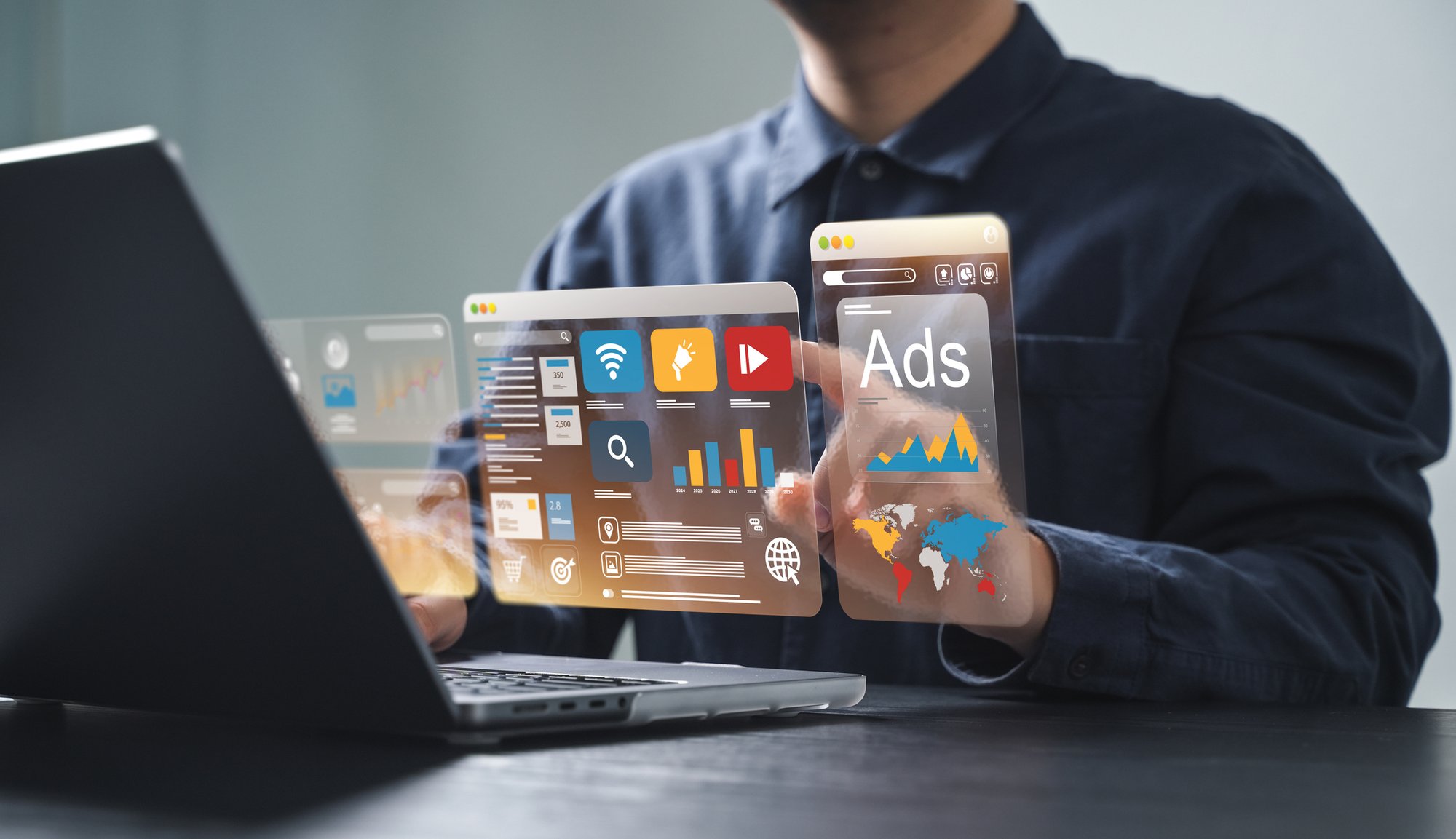
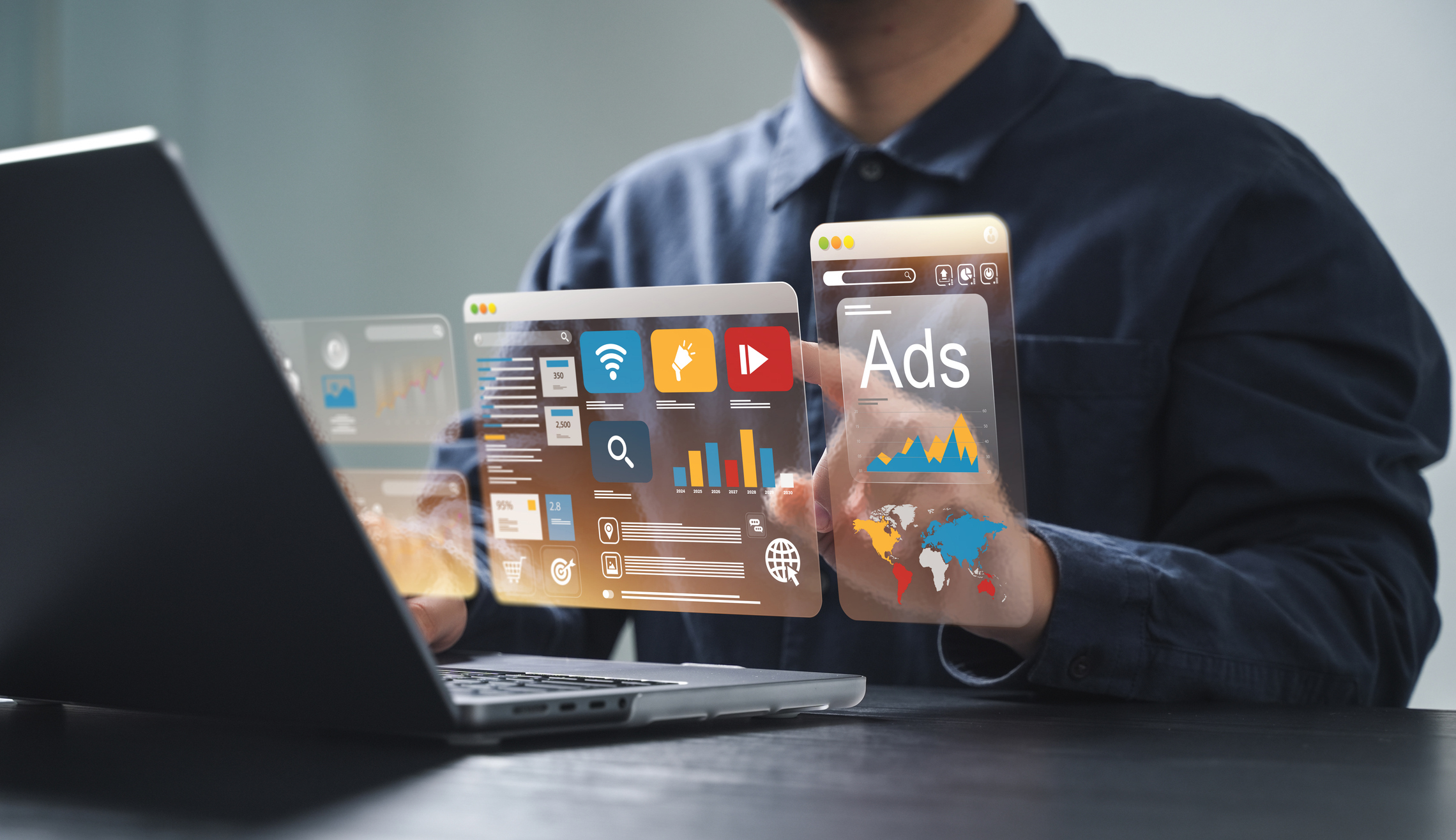
Programmatic advertising has become the standard in digital advertising, stepping into the role held for decades by direct media buying. In 2025, global programmatic ad spending accounted for 90 per cent of display advertising budgets, with programmatic video and connected TV being major drivers of growth. This is expected to continue in 2026 and beyond. At the same time, direct media buying still plays a significant part in the digital advertising world.
Rather than choosing one over the other, leading brands are recognizing the need for a more sophisticated, combined approach. The programmatic advertising versus direct media buying debate is yielding to strategic consideration of best use cases. Each option has its advantages and limitations, depending on a brand’s objectives.
Running programmatic advertising and direct media buying independently can lead to fragmented, sub-optimal reach, missed premium inventory and weaker performance. Combining them can maximize campaign reach and efficiency, enhance brand safety and improve return on investment (ROI).
Understanding the differences between programmatic advertising and direct media buying, as well as their key advantages, will help you determine when and how to use them to drive performance – and outcomes.
Wired.com invented the web banner ad in October 1994, setting the stage for direct media buying to become a foundational piece in the world of online advertising.
Direct media buying is a human interaction in which advertisers purchase ad space from publishers. It begins with advertisers finding the right publisher and then negotiating a price, and determining where, when and how long ad placements will run. As with traditional sales, the interactions involve direct discussions via phone calls and emails, requests for proposals, tenders, and quotes.
A key update to direct media buying has been the advent of a third-party ad servers or platforms. These tools store advertiser and publisher data. This builds efficiency into the process by matching ad tags that have been predetermined by the advertiser with an appropriate publisher and website visited by the target audience.
The key benefits of direct media buying include: the ability to choose where ads appear, which helps ensure brand safety and impact; guaranteed impressions and a fixed cost-per-thousand-impressions (CPM); and the ability to gain premium ad placements through sponsorships, home page takeovers and exclusive partnerships.
Programmatic advertising is the fully automated, real-time buying and selling of digital ad space across multiple websites and networks using artificial intelligence (AI) and data. It is possible because of real-time bidding technology (RTB), which was first introduced in 2009. It took another four years and the introduction of Google AdSense before automated auctions for digital ad space emerged. Today, programmatic advertising is the preferred choice for digital ad buying.
Advertisers use demand-side platforms (DSPs) to set up ad campaigns and make automated bids/ad buys from multiple publishers in real time. The DSP places ads based on the advertiser’s specified targeting criteria, which means bidding takes place as soon as a user visits a site. The advertiser does not know where the ad will appear.
Publishers use supply-side platforms (SSPs) to automate managing, optimizing and selling advertising inventory available on their websites or in their apps. They set the minimum bid for inventory.
Ad exchanges are the digital marketplaces connecting the two. In the background are data management platforms (DMPs), which collect, organize and leverage first-, second- and third-party audience data from online, offline and mobile sources to build highly detailed customer profiles. These anonymized customer profiles are then shared with DSPs, SSPs and ad exchanges to customize content, improve targeting and enhance the overall effectiveness of ad campaigns.
It’s also possible for advertisers and publishers to establish their own DSPs and SSPs and create their own automated trading networks, bypassing the need for an ad exchange. This lets advertisers keep all the data from their ad campaigns, significantly improving targeting and measurement.
There is also a hybrid way to purchase digital media: fixed-price programmatic or programmatic direct. There is no auction. Instead, advertisers negotiate in person and purchases are made by a digital application programming interface.
The primary benefits of programmatic advertising include: reduced overall ad spending thanks to competitive bidding; the ability to reach larger audiences across a range of platforms, such as mobile, digital out of home, display, video, audio and connected television channels; precision targeting; improved efficiency; and live optimization based on real-time performance metrics.
There are several key differences between programmatic and direct media buying. Programmatic advertising fully embraces data, algorithms and AI to completely automate media buying and ad placement using real-time bidding technology. It prioritizes efficiency, scale and cost savings. Algorithms determine where your budget is best spent.
Direct media buying is a traditional human/manual negotiation. It prioritizes control and the ability to choose exactly where and when an ad will appear, and a predictable price structure based on fixed CPM rates. While typically more expensive than programmatic advertising, the ability to determine where an ad will be displayed can also result in higher quality traffic and a reduced chance for ad fraud.
Programmatic advertising and direct media buying also differ in their approach to audience targeting. The former leverages behavioural data and analytics, while the latter uses predefined audience segments.
Another significant difference between programmatic advertising and direct media buying is access to real-time data. Programmatic advertising captures every user interaction as it happens, providing full transparency into how a campaign is performing. Unlike direct media buying campaigns, there is no need to wait for the completion of the ad run. This allows advertisers to adjust budgets and improve content during a campaign, improving ROI and impact.
Campaign objectives, timeline and resources are key to understanding when to use programmatic advertising and when to use direct media buying. Programmatic advertising is efficient, highly targeted, scalable and cost effective, making it the better option when speed, performance and ROI are the top priorities. It can help brands:
Direct media buying provides predictable pricing, and control over where and when your ads appear, making it highly effective for brands looking to:
Modern media buying is not an either/or proposition. A growing number of advertisers are seeing the advantages of blending programmatic advertising and direct media buying to maximize campaign performance. The key is to create a strategy that plays to the strengths of each based on campaign goals, budget and the level of control you want over ad placements.
For example, because of its expanded reach, precision targeting and real-time optimization, brands can use programmatic advertising to drive website traffic and reduce customer acquisition costs. To maximize brand visibility, awareness and impact, advertisers can use direct buying to secure guaranteed impressions in premium, relevant channels.
With the global digital ad market expected to hit $1.1 trillion in 2026, capturing the attention of your target audience is more challenging than ever. Building an integrated media buying strategy is an important opportunity to leverage the best of programmatic advertising and direct media buying to maximize ROI and drive outcomes.
Knowing when to use programmatic advertising versus direct media buying and when to combine them is critical to designing strategic marketing campaigns that deliver results and maximize ROI. There are several factors to consider in your decision-making. An experienced media partner can help you prioritize and create a comprehensive, balanced strategy that meets your business goals.